

Citrus fruits are among the most economically and nutritionally important fruit groups worldwide. Key varieties include oranges, lemons, limes, mandarins, and grapefruits, all renowned for their high vitamin C content and antioxidant properties. Production is concentrated in subtropical and Mediterranean climates, with countries like Mexico, Spain, Brazil, India, and the United States leading the industry.
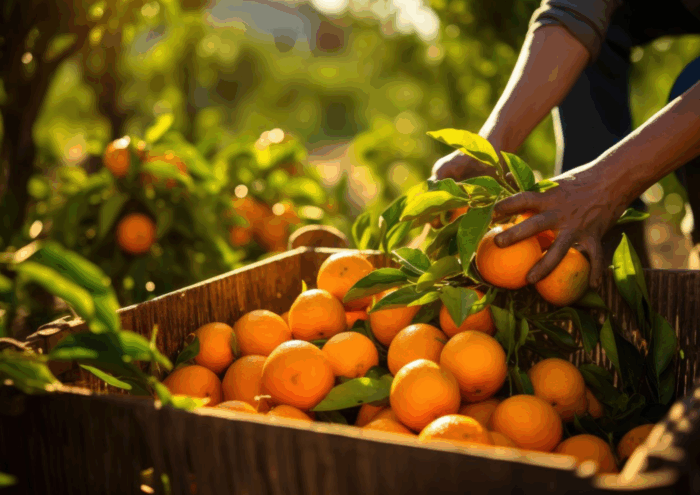
Facing growing demand and the impacts of climate change, sustainable agricultural practices such as the use of organic biostimulants are increasingly being adopted. These products enhance crop productivity, improve soil health, and elevate fruit quality, providing a natural, eco-friendly approach to citrus farming.
Importance of Citrus Crops
Citrus crops generate over 140 million tons annually, serving both fresh consumption and processing industries such as juice, oils, jams, and pharmaceuticals. Citrus farming supports millions of jobs in production, harvesting, transport, packing, and export. Nutritionally, citrus fruits are rich in vitamin C, flavonoids, fiber, minerals, and other bioactive compounds with antioxidant, anti-inflammatory, and antimicrobial properties, making them essential for human health and wellness.
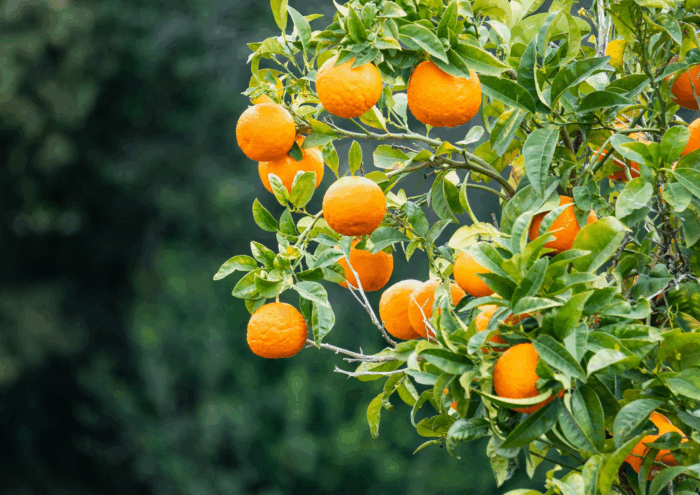
Agronomic Requirements for Citrus Cultivation
Optimal citrus growth depends on key edaphoclimatic factors:
- Climate: Citrus thrives in warm temperate or subtropical regions. Frost-sensitive, temperatures below 0°C can severely damage plants and fruits. The ideal temperature range is 25–30°C.
- Soil: Well-drained, light soils with good organic matter are ideal. The optimal pH is between 5 and 7. Saline or compacted soils negatively affect fruit quality and plant development.
- Irrigation: Drip irrigation is highly recommended to improve water efficiency and reduce foliar diseases. Adequate water supply during fruit development influences photosynthesis, sugar accumulation, fruit size, pulp quality, and taste.
- Fertilization: Citrus requires macronutrients such as nitrogen, phosphorus, potassium, calcium, and magnesium, as well as micronutrients like zinc, iron, and manganese. Fertilizer application should align with each phenological stage of the crop.
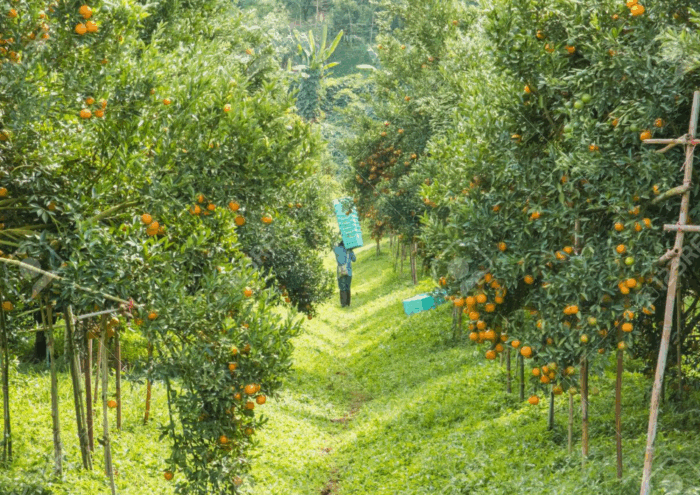
Pruning
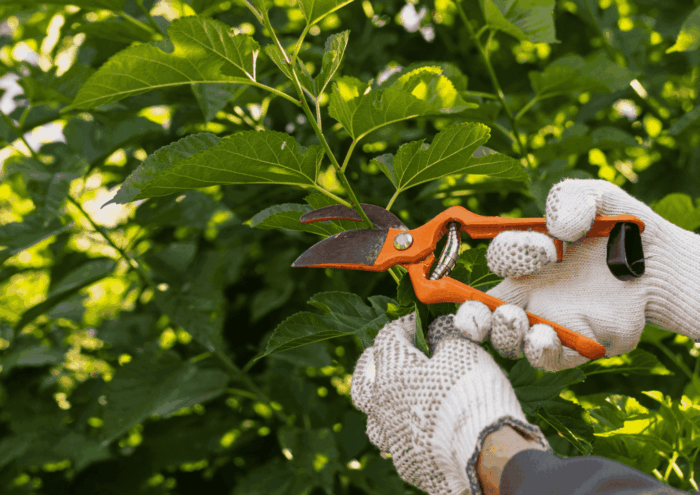
Proper pruning enhances fruit quality, prevents pests, and renews plant tissues.
Citrus pruning includes:
- Formation pruning: to establish a strong structure.
- Maintenance/pruning for fruiting: removing dead or weak branches to improve light and airflow.
- Rejuvenation pruning: to restore productivity in old trees.
Pest and Disease Management
Preventing and implementing cultural, biological, physical, and chemical strategies to reduce the risk of pest and disease incidence. Key preventive measures include:
- Using certified and resistant plant material
- Applying various pest and disease control methods
- Implementing cultural practices such as pruning and proper drainage
These measures are used for early detection of pests and diseases before they cause crop damage and economic losses.
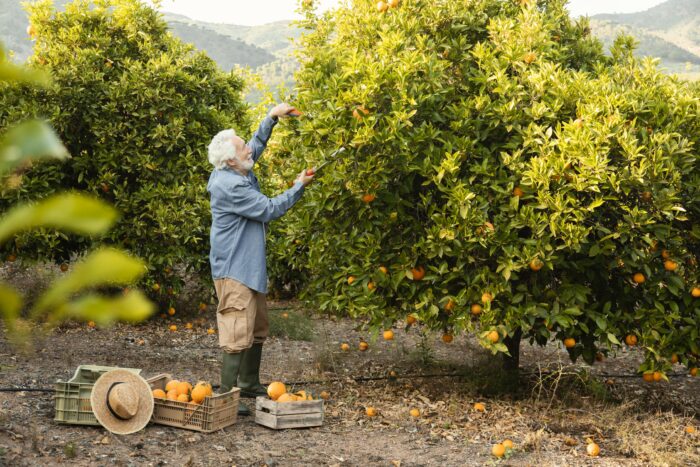
Challenges in Modern Citrus Farming
Current citrus production faces several challenges:
- Climate Change: Rising temperatures, prolonged droughts, and extreme weather events affect fruit quality and yield.
- Soil Degradation: Intensive chemical fertilizers and pesticides harm soil structure, reduce beneficial microbial populations, and decrease natural fertility.
- Emerging Diseases: HLB remains the most severe threat, devastating thousands of hectares in countries like the U.S. and Brazil.
- High Production Costs: Citrus farming requires significant investment in inputs, irrigation, fertilization, and pest management.
These challenges have increased the adoption of organic biostimulants as a sustainable alternative.
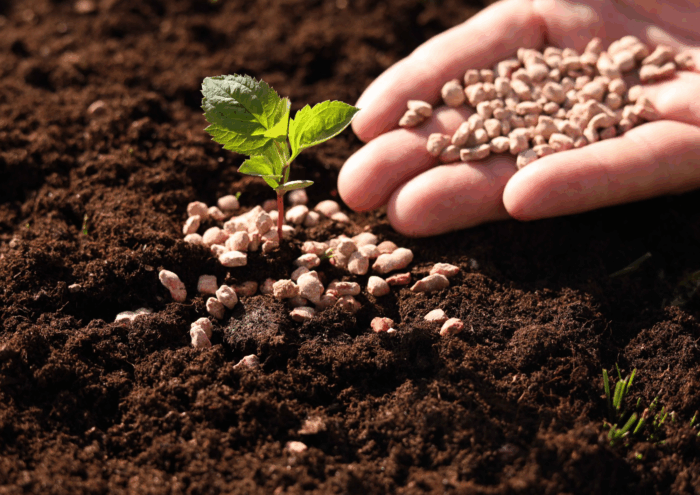
Use of Organic Biostimulants in Citrus Crops
Organic biostimulants are natural products, including amino acids, seaweed extracts, beneficial microorganisms, and humic and fulvic acids, which stimulate plant physiological processes. They enhance growth, nutrition, stress tolerance, and yield while supporting soil health.
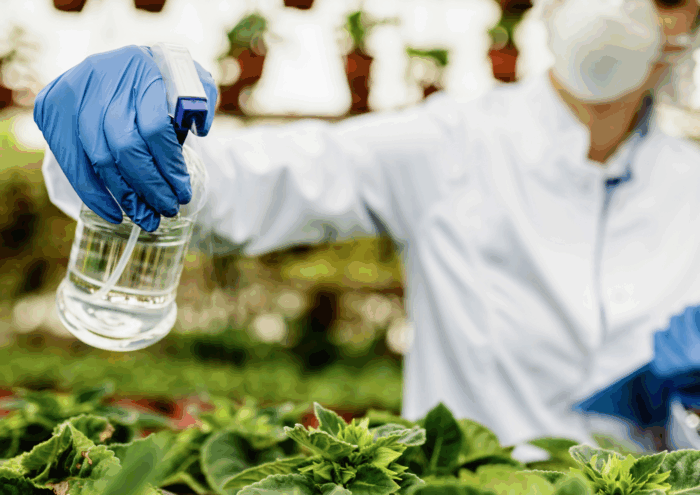
Benefits for Citrus Crops
- Root System Enhancement: Promotes stronger, deeper roots, improving nutrient and water absorption.
- Increased Photosynthesis: Boosts enzymatic activity and chlorophyll function, increasing carbohydrate production and plant biomass.
- Stress Resistance: Enhances tolerance to pests like thrips and aphids and environmental stresses.
- Fruit Quality Improvement: Improves fruit size, sugar content, firmness, and postharvest longevity.
- Soil Regeneration: Some biostimulants enhance soil structure and stimulate beneficial microbial activity.
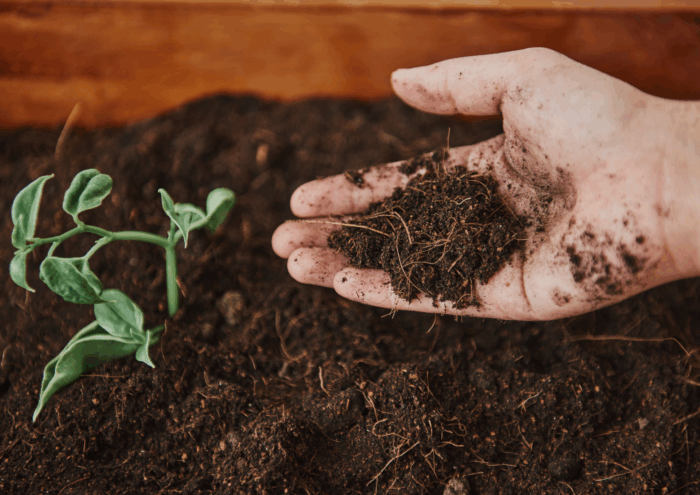
Key Organic Biostimulants for Citrus
- Fulvic Acid: Applied with microelements, it improves chelation, optimizing nutrient uptake and increasing lemon production by up to 20%, enhancing export quality.
Learn more here: https://www.ferti-organic.com/products/soluble_fulvic_acid
- Seaweed Extract: Ideal for rooting Mexican lime cuttings, increasing root formation by 10–25%, enhancing nutrient absorption, and improving stress tolerance due to its alginic acid content.
Learn more here: https://www.ferti-organic.com/products/soluble-seaweed-extract
- Amino Acid Compounds: Foliar application during fruit set and development can increase yield by 10–20%, reduce fruit drop, provide assimilable nitrogen, improve peel quality, extend shelf life, and increase sugar content (Brix).
Learn more here: https://www.ferti-organic.com/products/ferti-nitro-plus
Application and Considerations
Biostimulants can be applied foliar, to the soil, or via irrigation systems. Prior soil analysis and expert consultation are recommended to select the right product, avoid overdosing, and ensure compatibility with other inputs.
Driving Sustainable Citrus Production
Citrus farming is a strategic activity for many regions, both economically and nutritionally. However, challenges threaten long-term sustainability. Organic biostimulants offer an eco-friendly solution to improve yield, enhance soil health, and reduce dependence on conventional agrochemicals.
Integrating these practices within agroecological management and regenerative agriculture frameworks is key to achieving resilient, profitable, and sustainable citrus production for future generations.
The future of agriculture can be both productive and sustainable. Visit our website to explore our range of products and find the one that best suits your needs: https://www.ferti-organic.com/products
Frequently Asked Questions (FAQ)
- What are organic biostimulants, and how do they work in citrus crops?
Organic biostimulants are natural products made from plant-based extracts such as algae (Ascophyllum nodosum), amino acids, beneficial microorganisms, and humic or fulvic acids. They work by stimulating the plant’s physiological processes, improving nutrient absorption, root development, and tolerance to environmental and biotic stress.
- What are the main benefits of using organic biostimulants in citrus farming?
Biostimulants increase fruit yield and quality, strengthen root systems, promote soil regeneration, and enhance photosynthesis. They also reduce dependence on synthetic fertilizers and pesticides, supporting sustainable and regenerative agriculture.
- How should biostimulants be applied to citrus crops?
They can be applied through foliar sprays, soil applications, or irrigation systems (fertigation). The best method depends on the product type and crop stage. Consulting an agronomist and conducting soil analysis ensures optimal results and prevents overdosing.
- Are organic biostimulants compatible with other fertilizers or agrochemicals?
Most biostimulants are compatible with common fertilizers and crop protection products, but it’s essential to verify compatibility before mixing. Always follow label instructions or seek professional guidance to avoid unwanted chemical reactions.
- What is the difference between fertilizers and biostimulants?
Fertilizers provide essential nutrients directly to plants, while biostimulants enhance the plant’s natural processes to improve nutrient efficiency and stress tolerance. When used together, they create a balanced and sustainable nutrition program.
- Are organic biostimulants environmentally friendly?
Yes. Since they are derived from natural sources and biodegradable materials, organic biostimulants minimize soil and water pollution, aligning with the principles of sustainable and regenerative agriculture.
7. Where can I find high-quality organic biostimulants for citrus crops?
You can explore a full range of organic biostimulant products, including fulvic acid, seaweed extract, and amino acid compounds, at Ferti-Organic’s product catalog.