

In recent decades, the industrial agriculture model has dominated much of the planet. While it has boosted productivity, it has also produced troubling environmental consequences: soil erosion, biodiversity loss, water pollution and greenhouse gas emissions. Facing this environmental and food-system crisis, a restorative alternative has emerged: regenerative agriculture. This model not only seeks to produce food, but also to regenerate agricultural ecosystems, improve soil health and address climate change.
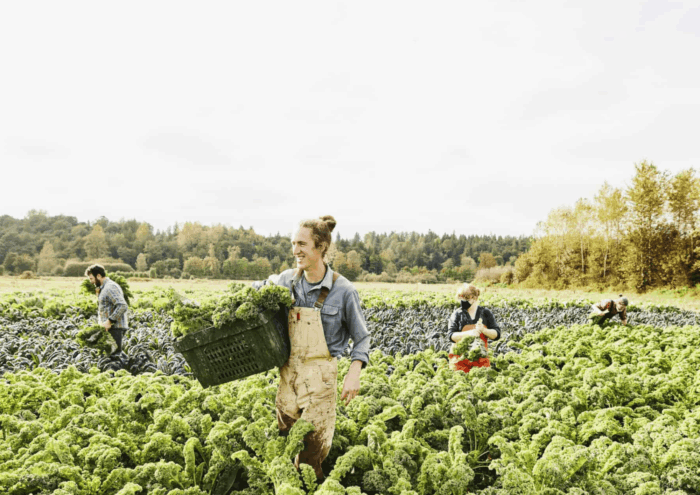
What Is Regenerative Agriculture?
Regenerative agriculture is a holistic approach whose goal is to restore and enhance soil health, biodiversity and agricultural ecosystems. Unlike conventional agriculture, which relies heavily on chemical inputs and monocultures, regenerative farming promotes practices that mimic natural processes and aim for a harmonious relationship between humans and the land. This makes for a much more sustainable practice.
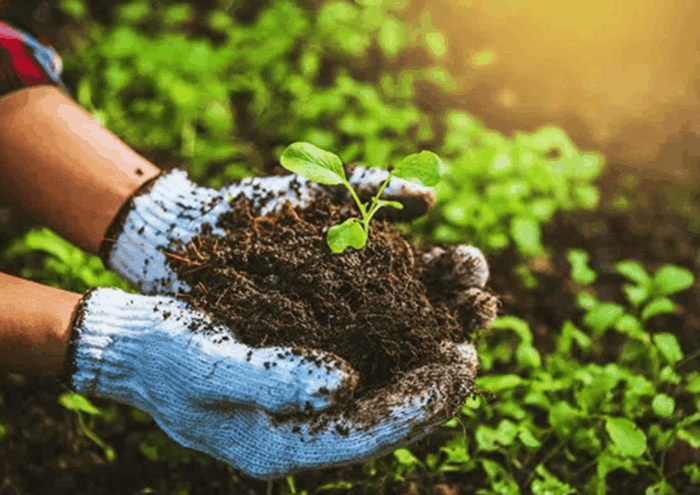
The concept goes beyond sustainability: it is not just about maintaining existing resources, but actively regenerating them, recovering soil fertility and increasing its capacity to retain water and sequester carbon.
How Does It Work?
Regenerative agriculture is not a single technique, but a set of adaptable practices that depend on the local context. Some of the most common include:
- Covering crops: Plants are sown but not harvested, serving to protect and enrich the soil.
- Crop rotation and polycultures: Alternating different types of plants to avoid soil degradation and reduce pest pressure.
- Composting and biofertilisers: Replacing chemical fertilizers, enriching the soil and reducing pollution.
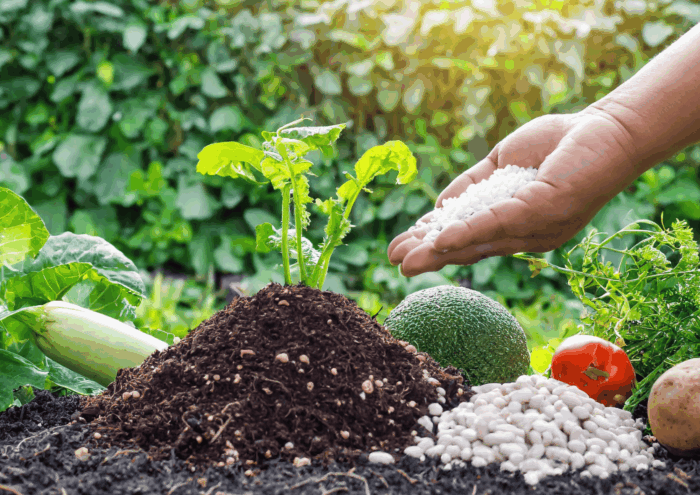
- No-till or minimal tillage: Avoiding excessive soil disturbance, preserving its structure and microbiology.
- Livestock integration: Managed grazing improves soil fertility through natural nutrient cycling.
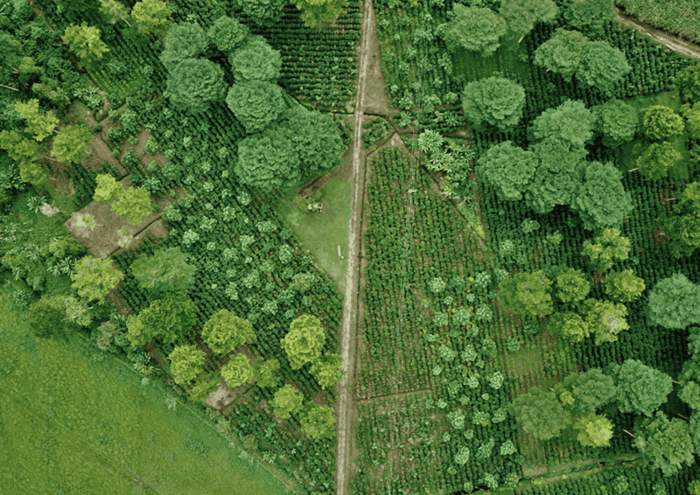
- Agroforestry: Combining trees with crops, improving biodiversity and reducing erosion. These practices are grounded in ecological principles and require constant observation of the environment, as well as deep knowledge of the soil, climate and local species.
Benefits of Regenerative Agriculture
The benefits of this approach are manifold for the environment, farmers and consumers alike:
- Soil Health
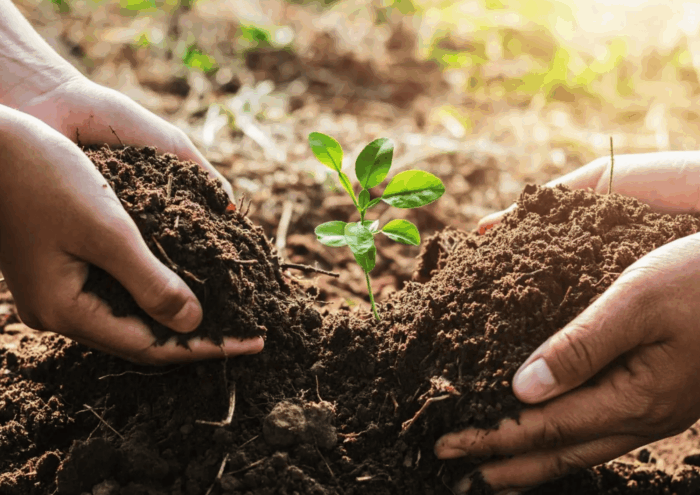
One of the principal goals of regenerative agriculture is the restoration of degraded soils. Healthy soils are more fertile, retain water better, and hold more carbon.
- Climate Change Mitigation
Soils rich in organic matter can capture large quantities of atmospheric CO₂, helping to mitigate global warming.
- Increased Biodiversity
Crop diversity and the inclusion of trees and animals foster more resilient, balanced ecosystems.
- Climate Resilience
Regenerative systems are more resistant to extreme events such as droughts, floods and pest outbreaks, which are essential in a changing climate.
- More Nutritious Food
Several studies suggest that produce grown in regenerative systems may contain higher nutrient levels, thanks to richer soil microbiology.
- Farmer Well-Being
By reducing dependence on external inputs and promoting self-sustaining practices, regenerative agriculture can improve farmers’ profitability and autonomy.
Challenges and Obstacles
Despite its numerous benefits, regenerative agriculture faces significant challenges:
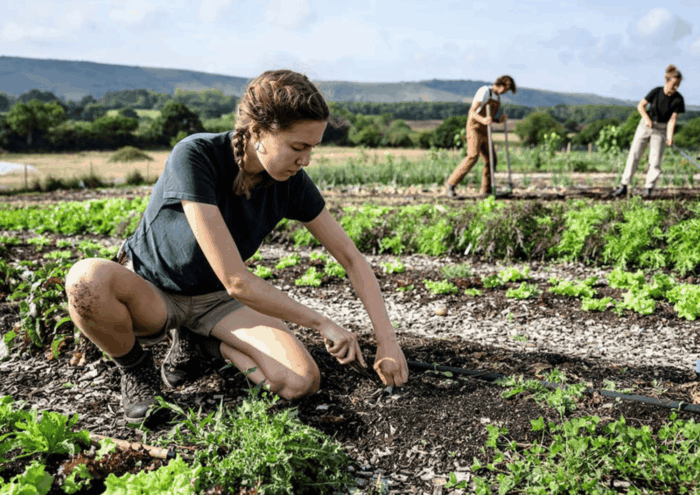
- Lack of knowledge and uptake: Many farmers are not familiar with regenerative techniques and need specialized training.
- Costly transition: Although potentially more profitable over time, the initial transition requires time, investment and effort.
- Lack of institutional support: In many countries, public policies and subsidies still favor industrial agriculture.
- Scalability: While there are many successful small-scale examples, scaling the model to large areas without compromising its core principles is still debated.
The Future of Regenerative Agriculture
As concerns about climate change, biodiversity loss and food security rise, regenerative agriculture is gaining increasing attention. Agribusinesses, conscious consumers and governments are beginning to value this alternative.
International initiatives, like the Regenerative Organic Certification in the United States, are setting standards for certifying regenerative products. In addition, major brands are investing in supporting their supply chains to adopt regenerative practices.
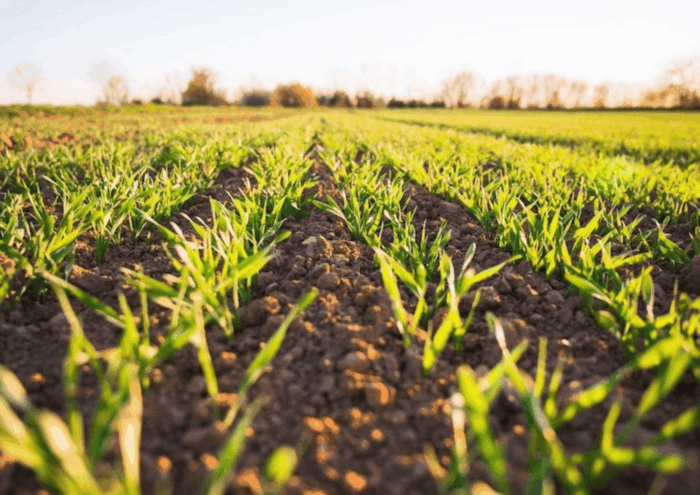
However, the future of regenerative agriculture will depend on several factors: education, adequate incentives, cross-sector collaboration and a shift in how we understand food production. It is not just an agricultural trend; it requires a deep commitment to the health of the planet and future generations.
A Vision for the Future of Farming
Regenerative agriculture represents a tangible hope to address the many challenges of our current food system. To regenerate soil is to regenerate life. If implemented responsibly, with knowledge and political will, it can become one of the most powerful tools to restore ecosystems, empower rural communities and ensure a sustainable future for all.
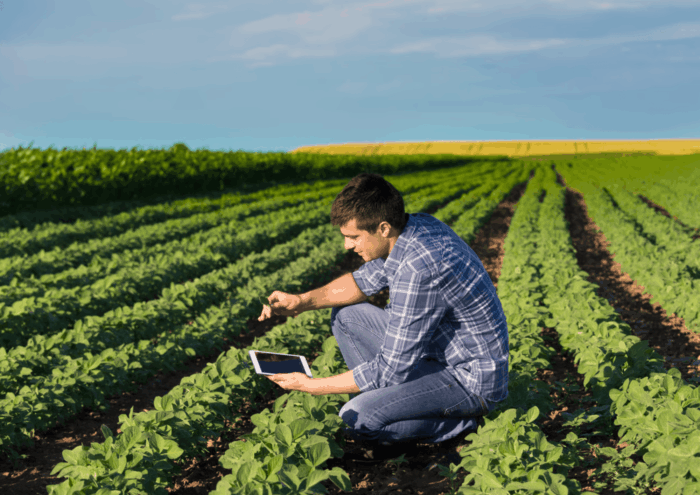
Agriculture can be both more productive and more sustainable at the same time.
Visit our website and explore our range of products to discover which one fits your needs: https://www.ferti-organic.com/products
Frequently Asked Questions
- What is the difference between regenerative agriculture and sustainable agriculture?
Sustainable agriculture focuses on maintaining natural resources over time, while regenerative agriculture goes further by actively restoring and improving soil health, biodiversity, and ecosystem resilience.
- How long does it take to see improvements in soil health with regenerative practices?
It should be taken into account that, depending on the type of agriculture being practiced, whether extensive or conventional, new implementations and practices will be required. Over the years, these will lead to significant improvements. Although the estimated time for the complete recovery of the crop and its surrounding ecosystem ranges between 4 to 10 years, the first noticeable improvements can usually be observed within 1 to 3 years. This process is a long-term transition of learning, consistency, effort, and adaptation.
Key points to consider when starting regenerative agriculture:
- Reduction or elimination of tillage
- Use of cover crops to keep the soil protected at all times
- Diversification and rotation of crops
- Integration of animals such as chickens, cows, sheep, etc.
- Application of organic amendments such as compost, plant residues, and manure
- Gradual elimination of chemical inputs like pesticides and reduction of fertilization
- Is regenerative agriculture more expensive than conventional farming?
At first, it may require investment in training and system transition. However, in the long term, it lowers costs by reducing the need for synthetic fertilizers, pesticides, and excessive irrigation.
- Does regenerative agriculture help mitigate climate change?
Yes. Healthy soils rich in organic matter act as carbon sinks, capturing atmospheric CO₂ and reducing greenhouse gas emissions.
- What products can support the transition to regenerative agriculture?
The use of environmentally friendly amendments combined with the biostimulation of organic compounds such as amino acids, humic acids, fulvic acids, and mycorrhizae provides a resilient alternative. Likewise, the use of biorepellents such as neem oil and cedar oil instead of insecticides serves as a key ally in improving soil structure and promoting its natural regeneration.