

Soil is a vital natural resource for life on Earth. It not only supports terrestrial ecosystems but also serves as the foundation of agricultural activity and the primary source of food for humanity. However, intensive use, pollution, and poor farming practices have put its quality and productivity at risk. Therefore, taking care of soil fertility is essential not only to ensure food security but also to preserve ecological balance, and address challenges such as climate change and biodiversity loss.

The Importance of Soil in Agriculture
Soil is a living system composed of minerals, organic matter, water, air, and millions of living organisms. It performs essential functions such as:
- Providing physical support for roots.
- Supplying nutrients like nitrogen, phosphorus, and potassium.
- Regulating water by acting as a natural sponge.
Healthy soil improves crop yields, reduces the need for agrochemicals, and protects agricultural ecosystems.
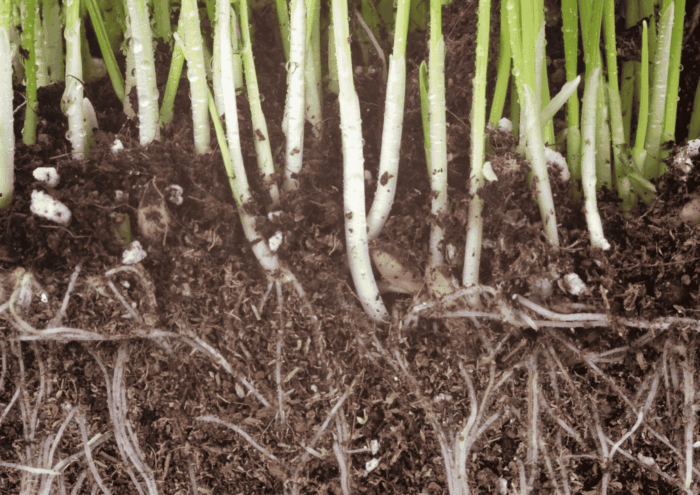
Main Threats to Agricultural Soil
- Erosion
The displacement of soil by water or wind removes the fertile top layer, especially in areas without vegetation cover, or with practices like deforestation or monocropping.
- Pollution
The excessive use of fertilizers and pesticides deteriorates soil quality and harms beneficial organisms. Poorly managed industrial waste also contributes to contamination.
- Compaction
Heavy agricultural machinery compacts the soil, reducing porosity and hindering root development and water infiltration.
- Salinization
Poor irrigation management in arid areas can lead to the accumulation of salts, which impairs water and nutrient absorption by plants.
- Loss of Organic Matter
Intensive farming depletes organic matter, negatively impacting soil fertility, structure, and biodiversity.

Soil Conservation Practices
Taking care of soil is fundamental for sustainable agriculture. Fortunately, there are many practices available today that help maintain its health and productivity in the long term:
1. Crop Rotation
Rotating different types of crops on the same land over time helps break pest and disease cycles, improve soil structure, and optimize nutrient use.
2. Organic Fertilizers and Compost
Using organic fertilizers such as manure, compost, and plant residues improves soil structure, increases fertility, and promotes biological activity. Unlike chemical fertilizers, organic fertilizers release nutrients gradually and sustainably.
3. Vegetative Cover
Maintaining plant cover, either with cover crops or crop residues, protects the soil from erosion, conserves moisture, and enhances biodiversity. Cover crops such as clover or rye also help fix nitrogen and control weeds.
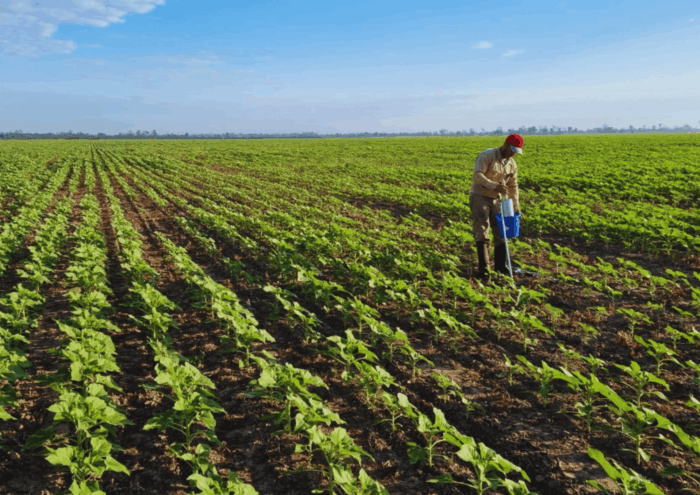
4. Water Conservation
Efficient water management is key to preventing erosion and salinization. Practices such as drip irrigation, rainwater harvesting, and terracing on slopes help preserve water resources and protect soil health.
5. Conservation Agriculture
This approach promotes techniques such as minimum tillage, crop rotation, and permanent soil cover. By avoiding intensive plowing, it preserves soil structure, reduces carbon emissions, and protects microbial life.
6. Integrated Pest Management (IPM)
Reducing pesticide use through biological control, crop rotation, and the selection of resistant varieties helps maintain soil and ecosystem health.
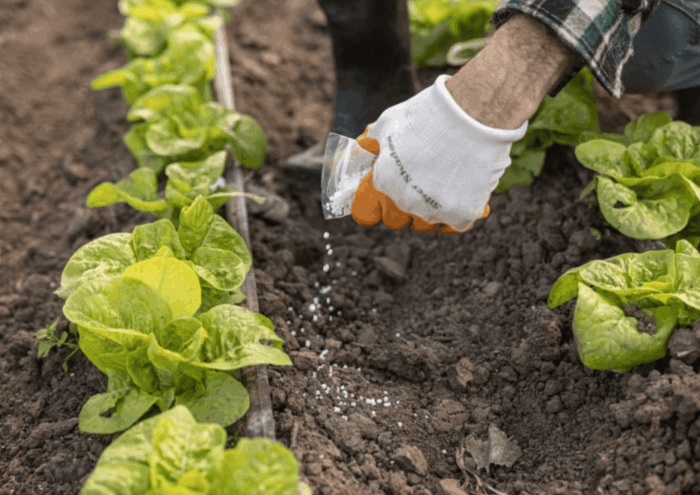
Discover which of our products can help with integrated pest management: https://www.ferti-organic.com/infographics
Soil Care with Humic and Fulvic Acids
Soil care is essential for maintaining agricultural productivity and preserving ecosystem health. Among the most effective sustainable practices, the use of humic and fulvic acids stands out for their multiple benefits in improving soil structure and fertility.
What Are Humic and Fulvic Acids?
These are organic substances derived from the decomposition of plant and animal matter. They occur naturally in soil humus but can also be applied as organic amendments. Although both belong to the same group (humic substances), they differ in molecular size, solubility, and specific functions.
- Humic Acid: With a higher molecular weight, it mainly improves soil structure, increases water retention capacity, and enhances aeration.
- Fulvic Acid: Lighter and more soluble, it easily penetrates plant cells, aiding nutrient absorption and boosting microbial activity in the soil.
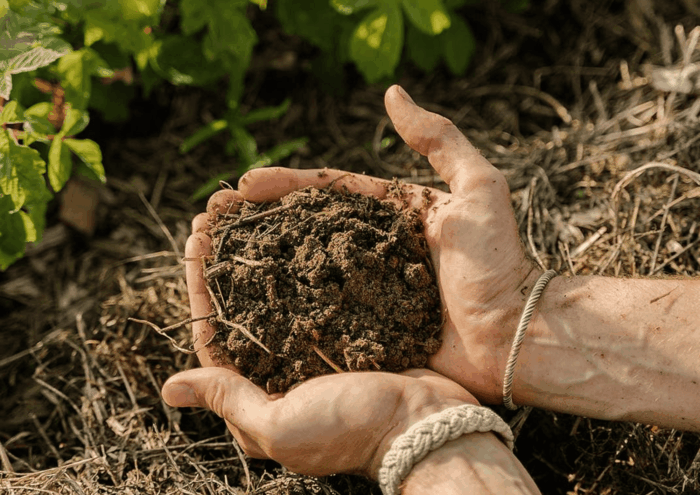
Benefits for the Soil
1. Improved Soil Structure
Humic acid promotes the formation of stable aggregates, improving aeration, reducing compaction, and encouraging root development.
2. Increased Nutrient Retention
Both substances act as chelating agents, helping retain and release essential nutrients (such as nitrogen, phosphorus, potassium, iron, and zinc) more efficiently.
3. Stimulation of Soil Microbiology
Fulvic acid promotes the growth of beneficial microorganisms, enhancing organic matter decomposition and nutrient availability.
4. Enhanced Cation Exchange Capacity
This improves the soil’s ability to retain and supply nutrients to plants.
5. Reduced Use of Chemical Fertilizers
By improving nutrient absorption efficiency, they reduce the need for large quantities of fertilizers, contributing to more sustainable agriculture.
Usage Recommendations
- Apply humic and fulvic acids in combination with organic or mineral fertilizers to boost their effects.
- Use them periodically throughout the crop cycle, either via fertigation or as a soil amendment.
- Adjust dosage according to soil type, crop, and environmental conditions.
Learn more about our Humic and Fulvic Acids here: https://www.ferti-organic.com/products
Soil is essential for agriculture, and its care ensures productivity and sustainability. Factors such as erosion, pollution, compaction, salinization, and loss of organic matter affect soil fertility but can be prevented through practices like crop rotation, organic fertilizers, plant cover, efficient water use, and integrated pest management. The use of humic and fulvic acids strengthens soil health by improving its structure, optimizing nutrient availability, stimulating microbiological activity, and reducing dependence on chemical fertilizers—making them a key resource for food security and environmental balance.
Frequently Asked Questions
How often should I conduct a soil analysis?
It is recommended to carry out soil analysis 3 to 4 months before planting in order to correct any deficiencies and properly plan fertilization. Each crop rotation should be taken into account, even in monoculture systems. It’s important to know the organic matter status in the soil and incorporate more if necessary.
It’s also essential to identify the residual presence of previously applied products such as fertilizers, insecticides, fungicides, bactericides, and other agricultural inputs.
In soils where salinity, organic matter, elements, beneficial microorganisms, and pH remain stable, as is often the case with perennial crops, soil fertility is considered stable, and it is recommended to perform soil analysis every 2 to 3 years, since longer intervals between tests are acceptable in these cases.
Do organic amendments like compost always improve soil fertility?
Yes. In general, organic amendments improve soil structure, increase organic matter, promote microbial activity, and stabilize nutrient retention. However, their effectiveness depends on their quality, how they are combined with other practices, and the absence of serious limiting factors.
What are the visible signs of low soil fertility?
Some signs may include:
- Low water infiltration and retention, visible erosion.
- Poor root growth
- Low microbiome density.
- Very compact or hard soil texture
- Crops showing recurring nutrient deficiencies even after fertilization
- Loss of dark color in the top layer, indicating lower organic matter content
How do humic and fulvic acids help improve soil fertility?
- Humic acids help improve soil structure by enhancing aeration, water retention, and the formation of stable aggregates.
- Fulvic acids penetrate more easily and stimulate nutrient absorption and microbial activity.
- Both work to optimize fertility, reduce dependence on chemical fertilizers, and improve overall system efficiency.
Can I use chemical fertilizers intensively if I later apply soil conservation practices to restore fertility?
The best approach is always to integrate sustainable practices:
- Use chemical fertilizers only when necessary and combine them with conservation methods such as crop rotation, organic matter application, and cover crops.
- Excessive or indiscriminate use of fertilizers without these supporting practices can degrade soil fertility in the medium or long term.