

The increasing frequency and intensity of heat waves, along with sudden temperature fluctuations, are causing rising levels of heat-induced stress in plants, particularly in agricultural systems exposed to extreme temperatures. This type of thermal stress directly affects crop physiological processes, reducing growth, yield, and overall product quality. Preparing crops to withstand these conditions is not only an adaptation strategy to climate change but also an essential practice for maintaining the sustainability and profitability of agricultural systems.
When plants are exposed to temperatures above their optimal range, heat stress in plants disrupts the balance between photosynthesis and respiration, increases water loss through transpiration, and promotes the formation of reactive compounds that damage cellular membranes. Under these conditions, agronomic management must focus on strengthening crop physiology before, during, and after periods of thermal stress to improve resilience and recovery capacity.
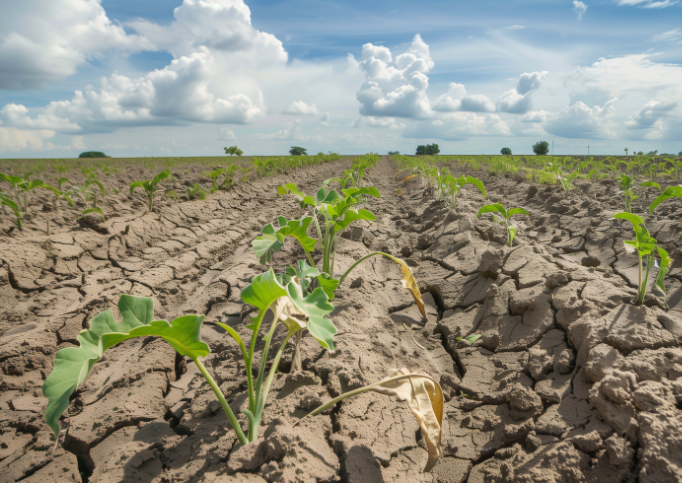
What Is Thermal Stress and How Does It Affect Crops?
Thermal stress occurs when ambient, soil, or plant tissue temperature exceeds the plant’s adaptive capacity.
Under extreme heat conditions, stomata tend to close to prevent excessive water loss, which limits CO₂ uptake and reduces photosynthesis. As a result, carbohydrate production declines, directly affecting plant growth and fruit development.
High temperatures also affect protein and enzyme stability, interfere with nutrient uptake and assimilation, and accelerate phenological cycles, leading to irregular flowering, flower abortion, and smaller or lower-quality fruits.
If preventive measures are not taken, these effects translate into significant economic losses.

Agronomic Strategies to Prepare Crops
There is no single solution, but rather a combination of practices that collectively enhance plant tolerance in an integrated manner.
Soil management
Well-structured soils with good moisture retention act as thermal buffers. The incorporation of organic matter improves aeration, microbial activity, and water availability for plants.
The use of organic or plastic mulches also helps reduce evaporation, stabilize soil temperature, and minimize heat-related water stress.
Plant nutrition
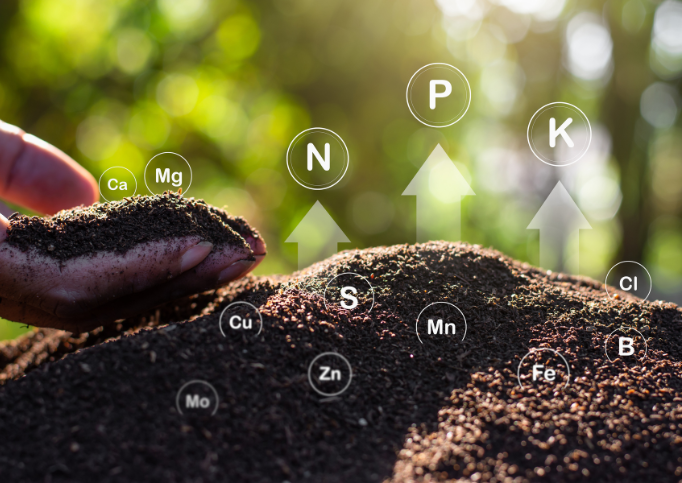
Nutritionally balanced crops respond more effectively to thermal stress.
Certain nutrients play a key role in stomatal regulation, cellular membrane integrity, and water transport:
- Potassium
- Calcium
- Magnesium
Adequate micronutrient availability also supports enzymatic activity and antioxidant defense mechanisms in plants.
Biostimulants as Allies Against Thermal Stress
Among the available tools to strengthen crop tolerance to thermal stress, organic-based products have demonstrated significant physiological benefits when properly applied.
Amino Acid Complexes
Amino acids act as protein precursors, osmoprotectants, and signaling molecules. Under high-temperature conditions, their application helps plants conserve metabolic energy, as they do not need to synthesize these compounds from scratch.
Certain amino acids, such as proline and glycine betaine, contribute to osmotic regulation and cellular protection, enhancing heat tolerance and promoting post-stress recovery.
Seaweed Extracts
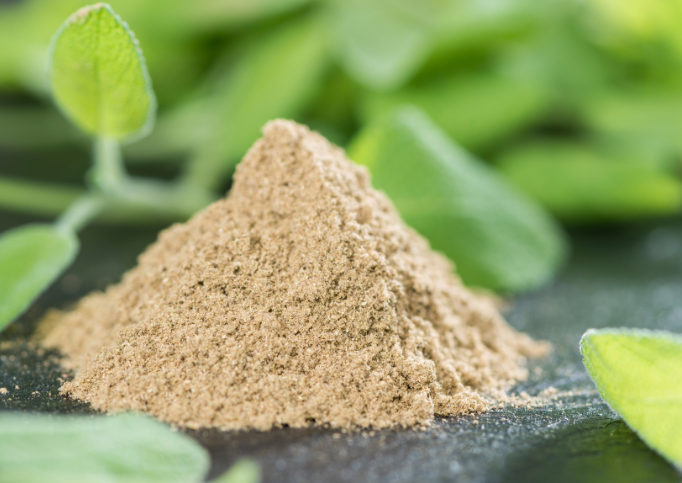
Seaweed extracts are widely recognized for their biostimulant effects. They contain natural phytohormones, polysaccharides, minerals, and antioxidant compounds that stimulate root development, improve photosynthetic efficiency, and strengthen plant responses to adverse conditions.
Under thermal stress, these extracts help maintain active growth and reduce physiological damage caused by excessive heat.
Learn more about our seaweed extract to enhance crop growth.
Humic and Fulvic Acids
Humic and fulvic acids play a fundamental role in soil improvement and plant nutrition.
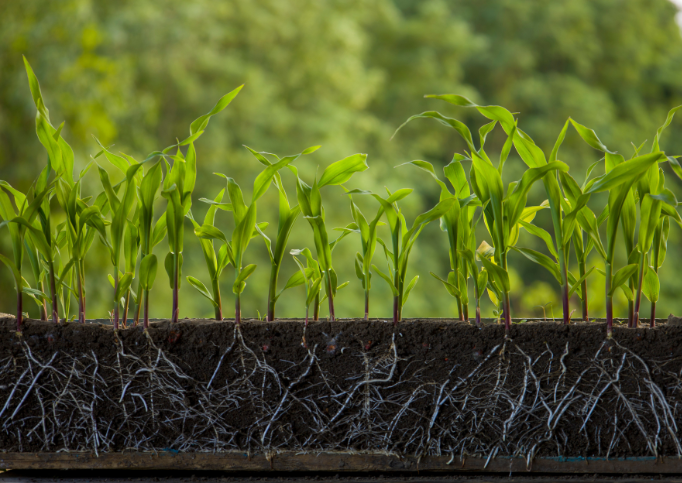
Humic acids enhance soil structure, increase water retention capacity, and promote the development of more extensive and functional root systems.
Fulvic acids facilitate nutrient absorption and mobility within the plant.

Mycorrhizae
Mycorrhizae form beneficial symbiotic relationships with plant roots, expanding the surface area for water and nutrient uptake.
Under thermal stress conditions, this association improves phosphorus and water acquisition efficiency, resulting in more vigorous plants with greater adaptive capacity. Additionally, mycorrhizae enhance soil biological activity, strengthening the soil-plant system under extreme conditions.
To learn more about the range and quality of our biostimulants, please visit:
https://www.mycsainc.com/en/products
Timing and Method of Application
For these strategies to be effective, timing is critical. Preparation against thermal stress should begin before temperature peaks occur, strengthening plants preventively. Applications during stress periods should focus on maintaining physiological functionality, while post-stress applications support crop recovery.
Sowing, Transplanting, Root System Strengthening, and Early Development
Soil applications of:
- Seaweed extracts
- Humic acids
- Mycorrhizae
Applied through irrigation systems or soil drench at the base of the plant provide powerful biostimulation and soil amendment, maximizing crop performance and resistance to abiotic stress.
This synergistic combination improves soil structure, stimulates root growth, and enhances nutrient uptake, enabling continuous growth without stress-related limitations.
Amino acids improve pollen fertility and flower quality, while fulvic acid enhances nutrient assimilation required for this high-energy stage.
Combined or alternating application of amino acids and fulvic acid is highly beneficial, particularly when used alongside standard fertilization.
The following elements form chelated compounds that improve nutrient absorption and function in plants:
- Calcium
- Zinc
- Magnesium
- Copper
- Iron
- Manganese
During fruit set, enlargement, and ripening, biostimulants help secure fruit retention, reduce premature drop, and increase fruit size, weight, and organoleptic quality.
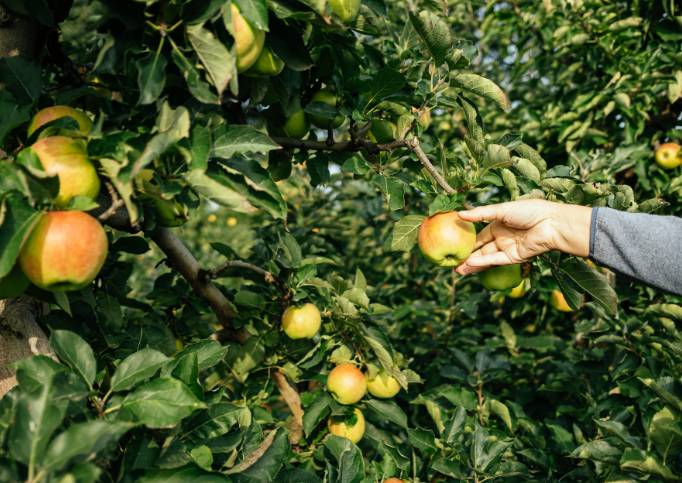
The integration of these tools within a well-planned agronomic management program maximizes their benefits and reduces risk.
Conclusion
Thermal stress is an unavoidable challenge in modern agriculture, but its effects can be mitigated through proper crop preparation. Integrated management that combines soil, water, and nutritional practices with biostimulants and growth regulators strengthens plant physiology and enhances the resilience of production systems.
Rather than simply reacting to extreme heat, agriculture can become more productive and sustainable simultaneously. The key lies in anticipation—developing more balanced, efficient crops capable of adapting to a challenging climatic environment.
Visit our website and contact us to discover the best ally for your crops:
Frequently Asked Questions
1. What is thermal stress in plants?
Thermal stress occurs when ambient, soil, or plant tissue temperature exceeds the plant’s adaptive capacity. This disrupts key physiological processes such as photosynthesis, respiration, and nutrient uptake, ultimately affecting plant growth and productivity.
2. How does extreme heat affect crop performance?
Extreme heat can cause stomatal closure, reduced photosynthesis, and cellular damage. It also interferes with nutrient uptake and accelerates phenological cycles, which may lead to irregular flowering, flower abortion, and smaller or lower-quality fruits.
3. What practices help prevent thermal stress in crops?
An integrated management approach is essential. This includes improving soil structure and moisture retention, maintaining balanced plant nutrition (especially potassium, calcium, and magnesium), and using biostimulants to strengthen plant physiology and stress tolerance.
4. Which biostimulants help plants tolerate heat stress?
Several biostimulants support plant tolerance to thermal stress, including amino acid complexes, seaweed extracts, humic and fulvic acids, and mycorrhizae. These help protect cellular structures, improve nutrient uptake, and enhance root system development.
5. When is the best time to apply treatments against thermal stress?
Preventive application before temperature peaks is recommended. Treatments may also be applied during stress periods to maintain physiological function and after stress to support plant recovery and continued development.