

Agricultural productivity begins below the surface. Healthy soil not only provides support for plants, but also plays a crucial role in nutrient storage, moisture retention, and root development.
However, years of intensive farming and the continuous use of synthetic inputs can reduce soil fertility and negatively impact crop performance.
In response to this challenge, more and more growers are seeking alternatives that help restore soil health without compromising productivity.
In this context, Neem Cake has become a valuable tool for organic and regenerative agriculture due to its ability to supply nutrients, improve soil conditions, and promote a more balanced environment for crop development.
What Is Neem Cake?
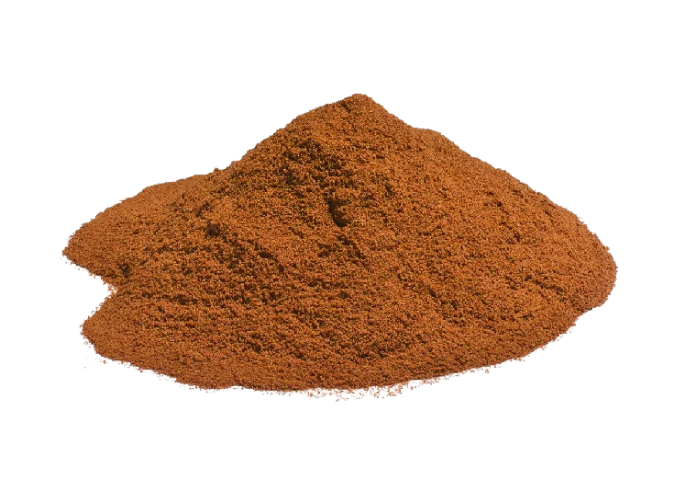
Neem Cake is an organic fertilizer obtained from the solid residue remaining after the cold-press extraction of oil from neem tree seeds (Azadirachta indica). This process preserves many of the naturally occurring beneficial compounds found in the seed, making it a multifunctional product for soil nutrition and management.
As a plant-based input, free of synthetic chemicals and compatible with organic farming programs, Neem Cake represents a sustainable alternative for growers looking to improve soil health and reduce dependence on conventional fertilizers. In addition, it carries OMRI Organic Certification, ensuring its suitability for demanding export markets.

What Does Neem Cake Contribute to the Soil?
Neem Cake stands out for its ability to improve the physical, chemical, and biological properties of the soil. Thanks to its natural composition, it offers benefits that go beyond conventional plant nutrition.
Main Nutrients Provided by Neem Cake
NPK and Secondary Nutrients:
- Nitrogen (N)
- Phosphorus (P)
- Potassium (K)
- Calcium (Ca)
- Magnesium (Mg)
- Sulfur (S)
In addition, Neem Cake contains bioactive compounds such as azadirachtin, recognized for its protective properties in crop production.
Benefits for Soil Health
- Increases organic matter content
- Promotes microbial activity
- Improves soil structure
- Enhances moisture retention
- Contributes to better nutrient availability
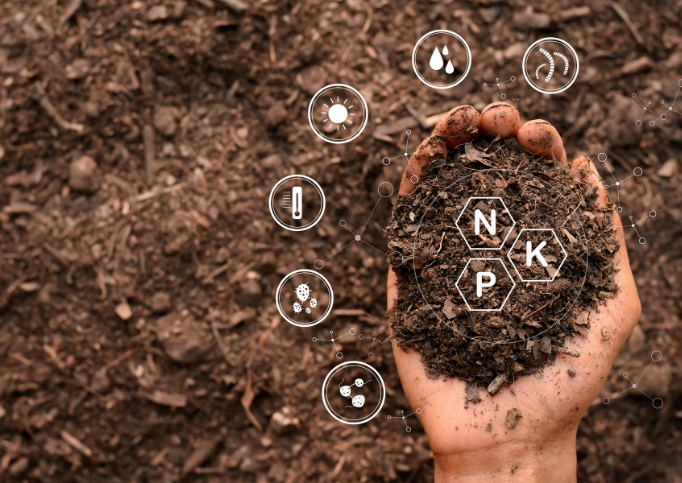
Benefits of Neem Cake for Crops and Soil Health
The incorporation of Neem Cake into a crop nutrition and management program provides benefits that directly impact soil fertility, plant development, and natural crop protection. Thanks to its organic composition and the presence of bioactive compounds such as azadirachtin, this input contributes to creating a more efficient and balanced production system.
Greater Nitrogen Efficiency and Improved Soil Health
One of the main benefits of Neem Cake is its ability to act as a natural nitrification inhibitor, helping nitrogen remain available in the root zone for a longer period.
This helps to:
- Reduce nitrogen losses caused by leaching and other natural processes.
- Improve nutrient use efficiency.
- Decrease excessive nitrate accumulation in the soil.
- Reduce the risk of soil salinization and acidification.
- Promote more efficient and sustainable crop nutrition.
By optimizing nitrogen utilization, plants can maintain more uniform growth and make better use of available soil resources.
Promotes Root Development
A healthy root system is essential for improving water and nutrient uptake. Neem Cake contributes to stronger root growth by improving soil physical conditions and creating a more favorable environment for root development.
Its main benefits include:
- Increased root biomass.
- Improved root establishment and anchorage.
- Greater exploration of the soil profile.
- Enhanced water and nutrient uptake.
- Improved soil aeration and structure.
As a result, crops develop more vigorous roots and greater resilience under stress conditions.
Natural Phytosanitary Protection
In addition to its nutritional benefits, Neem Cake serves as a natural phytosanitary tool due to the presence of azadirachtin, a natural compound known for its repellent and regulatory effects on various agricultural pests.
Its action is based on three primary mechanisms:
- Antifeedant effect: reduces pest feeding activity.
- Growth inhibition: interferes with pest development and reproduction.
- Repellent effect: reduces the presence of harmful organisms in the root zone.
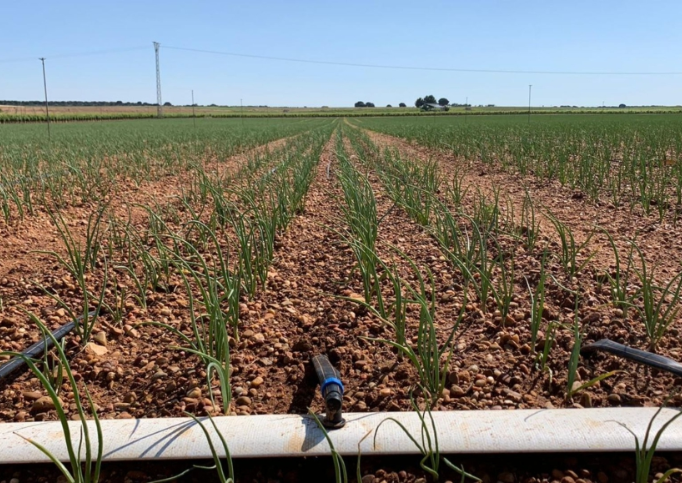
This action is particularly useful for managing plant-parasitic nematodes that affect root development, as well as controlling soil larvae, termites, and other organisms that can compromise crop productivity.
Thanks to this combination of nutrition, soil improvement, and natural protection, Neem Cake becomes a comprehensive tool for strengthening crop health and promoting more productive and sustainable agricultural systems.
How to Maximize the Benefits of Neem Cake
Neem Cake not only supplies nutrients and improves soil conditions, but also creates a favorable environment for the development of beneficial microorganisms in the rhizosphere. Because of this characteristic, it can be combined with other organic biostimulants to enhance its effects on soil fertility, root development, and nutrient efficiency.
Compost
Compost complements the action of Neem Cake by providing additional organic matter and improving soil structure. This combination promotes moisture retention, increases microbial activity, and helps build healthier and more balanced soils.
Benefits of combining Neem Cake with compost:
- Increased organic matter content.
- Improved soil structure and aeration.
- Enhanced biological activity.
- Better water and nutrient retention.

Mycorrhizae
Mycorrhizae establish a symbiotic relationship with plant roots, significantly increasing their capacity to absorb water and nutrients. While Neem Cake promotes root development and protects the root zone, mycorrhizae expand the crop’s nutrient absorption network.
Benefits of this combination:
- Increased phosphorus and micronutrient uptake.
- Improved water use efficiency.
- More efficient root development.
- Greater tolerance to environmental stress.
Trichoderma
The beneficial fungus Trichoderma strengthens soil biological balance and helps protect the root system against various pathogens. When used together with Neem Cake, it creates an integrated strategy for maintaining healthier roots and a more stable biological environment.
Key advantages:
- Strengthens rhizosphere health.
- Promotes root growth.
- Supports biological soil management.
- Complements the protective action of Neem Cake.
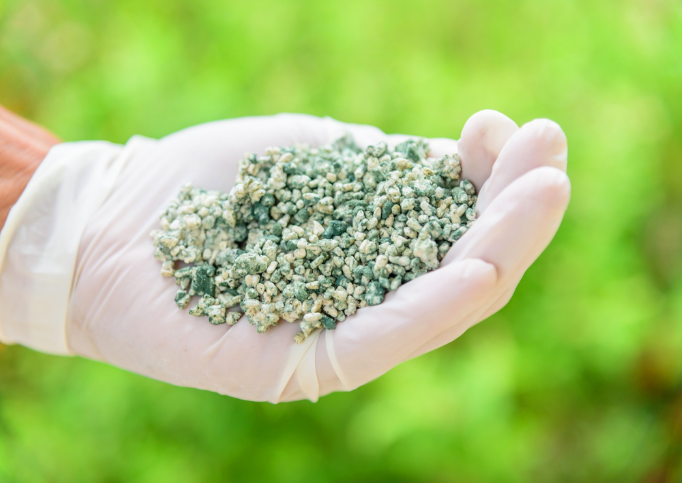
Humic and Fulvic Acids
Humic and fulvic acids help improve the availability and mobility of nutrients present in the soil. When combined with Neem Cake, they enhance soil fertility and promote more efficient plant nutrition.
Benefits of this combination:
- Greater nutrient availability.
- Improved fertilizer efficiency.
- Increased biological activity.
- Strengthened soil-plant interactions.
The integration of Neem Cake with other organic biostimulants enables the development of more comprehensive nutrition programs, resulting in stronger crops, healthier soils, and more sustainable agricultural systems over the long term.
Learn more about our organic biostimulants on our website:
https://www.mycsainc.com/en/products
Recommended Crops and Neem Cake Application
Thanks to its organic origin and versatility, Neem Cake can be used in a wide variety of crops, especially those where improving soil fertility and optimizing nutrient availability are key objectives.
Crops Where Neem Cake Can Be Applied
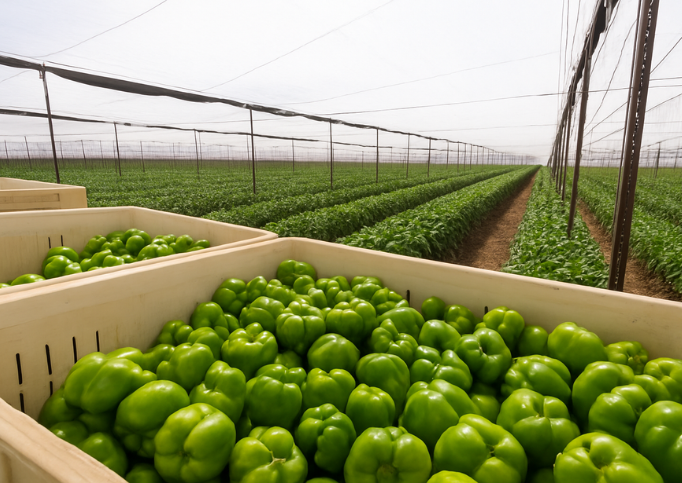
- Vegetable Crops: tomato, pepper, cucumber, and other intensive crops that place high demands on soil fertility.
- Fruit Crops: citrus, mango, papaya, fig, and other species requiring consistent nutrition throughout their production cycle.
- Grain Crops: corn, rice, wheat, sorghum, and sugarcane, where it contributes to maintaining a balanced nutrient profile.
How to Apply Neem Cake
Direct soil incorporation is the most effective way to maximize its benefits. It can be applied at different stages of the crop cycle:
- During planting or transplanting: promotes plant establishment and helps reduce transplant stress.
- Before planting: improves soil conditions and supplies nutrients for early crop development.
- After harvest: helps restore soil fertility and prepare the field for the next production cycle.
Its flexibility makes it a practical tool for improving soil health and supporting more vigorous crop growth over time.
Conclusion
The use of Neem Cake represents much more than the simple application of an organic fertilizer; it is a comprehensive strategy for restoring the biological balance of the rhizosphere.
By combining slow-release nutrition, improved nitrogen efficiency, and a natural defense mechanism against critical pests such as nematodes in a single product, Neem Cake becomes an indispensable tool for the modern grower.
Integrating this input, especially in combination with beneficial microorganisms and soil conditioners, not only protects the productivity of the current crop but also restores the most valuable asset of any farming operation: the long-term fertility and biological life of its soils.
Agriculture can be both productive and sustainable at the same time. Visit our website and explore our product portfolio to discover the solution that best fits your needs: https://www.mycsainc.com/en/
Frequently Asked Questions About Neem Cake
What is Neem Cake?
Neem Cake is an organic fertilizer obtained from the residual material left after oil extraction from neem tree seeds. It is used to improve soil fertility and support crop development.
What is Neem Cake used for in agriculture?
Neem Cake helps provide nutrients, improve soil structure, promote root development, and create a healthier environment for plant growth.
How does Neem Cake improve nitrogen efficiency?
It acts as a natural nitrification inhibitor, allowing nitrogen to remain available in the soil for a longer period and reducing nutrient losses through leaching.
What crops can benefit from Neem Cake?
Neem Cake can be used in a wide range of crops, including vegetables, fruit crops, and grains such as corn, wheat, rice, barley, and flax.
Can Neem Cake be combined with other biostimulants?
Yes. It can be used alongside compost, mycorrhizae, Trichoderma, and humic and fulvic acids to enhance soil health, nutrient uptake, and root development.